Engineered to maximize storage efficiency and structural stability across residential, commercial, industrial, and institutional applications.
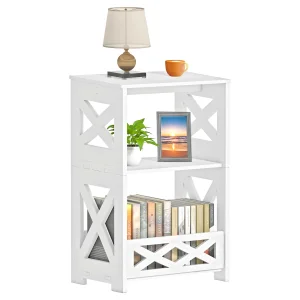
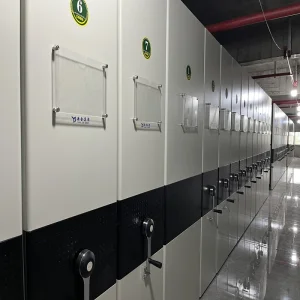
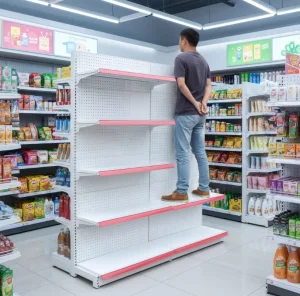
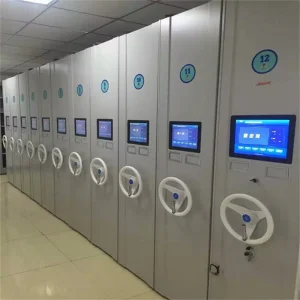
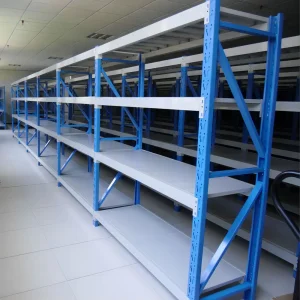
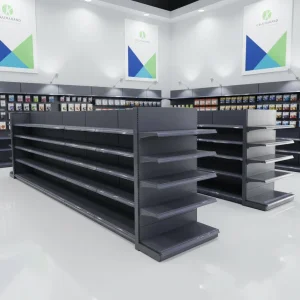
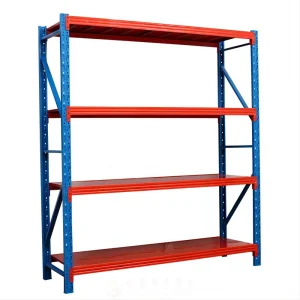
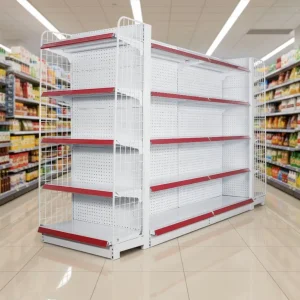
An in-depth analysis of structural engineering, market dynamics, and global trade standards in industrial and commercial shelving.
The global commercial and industrial storage market has undergone a significant transformation. Once seen merely as static platforms for holding physical materials, modern shelves and bookshelves have evolved into highly engineered, dynamic architectural elements. According to recent B2B market intelligence reports, the global market for storage and metal-wood composite shelving systems is growing at an annual rate driven by urban density initiatives, automated warehousing demands, and the rapid expansion of educational and retail infrastructures.
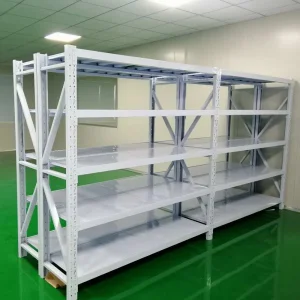
In today's commercial ecosystems, developers, public procurement agents, and supply chain coordinators demand systems that solve specific geometric and environmental problems. Whether it is deploying high-density mobile shelving in archives, installing durable gondola structures in pharmacies, or placing light-duty boltless shelving in retail hubs, modern manufacturing requires extreme precision. The integration of structural engineering with architectural space-saving design is the primary differentiator for elite manufacturers.
From an engineering perspective, bookshelves and industrial racking must conform to strict global structural performance benchmarks. These include limits on load capacity, flexural deflection, and safety factors under dynamic loading. When exporting storage systems to regions like North America, Europe, or the Asia-Pacific, compliance with standards such as ANSI/BIFMA X5.9 (Storage Units), BS EN 15635 (Steel Static Storage Systems), and ISO 9001 quality frameworks is mandatory. Deflection under full load should never exceed L/240 (span divided by 240) to prevent material fatigue and failure.
This technical rigor is especially critical for mobile compact shelving (both manual and power-operated) and heavy-duty pallet racks. Materials must be treated to prevent environmental degradation; steel requires multi-phase zinc phosphating prior to electrostatic powder coating, while wood components must be cured to optimal moisture levels to avoid warping or decay in humid climates.
Our commitment to blending functional aesthetics with high-performance manufacturing standards.
Foshan Lyte Home Co., Ltd. is a modern home furnishing enterprise dedicated to delivering high-quality, design-oriented furniture solutions to customers across the globe. With a business presence in more than 100 countries and regions, the company has built a strong reputation for reliability, craftsmanship, and innovative design thinking, earning the trust and long-term cooperation of clients from diverse international markets.
Rooted in a philosophy that blends contemporary aesthetics with functional living, Foshan Lyte Home Co., Ltd. focuses on creating furniture that reflects the harmony between people and their living environments. The company continuously explores the relationship between modern lifestyle needs and human-centered design, aiming to produce furniture pieces that are not only visually refined, but also practical, comfortable, and durable for everyday use.
From early-stage concept development and industrial design to large-scale manufacturing and global distribution, the company operates a fully integrated system. This end-to-end capability ensures strict quality control, efficient production management, and consistent design standards across all product categories. By combining advanced manufacturing technologies with experienced craftsmanship and creative design teams, Foshan Lyte Home Co., Ltd. is able to respond quickly and effectively to evolving international market trends.
In addition, the company places strong emphasis on material selection, structural innovation, and sustainable development practices, striving to balance aesthetics with environmental responsibility. Continuous innovation in design language and production techniques enables the company to enhance the value of its products and improve the overall user experience. Guided by its “Mission for Better Living,” Foshan Lyte Home Co., Ltd. is committed to bringing aesthetic, functional, and sustainable home solutions to customers worldwide. Through constant innovation and dedication to quality, the company aims to elevate everyday living spaces and inspire more comfortable, elegant, and meaningful lifestyles.
A step-by-step walkthrough of our high-capacity production facility, demonstrating our quality control at every stage.
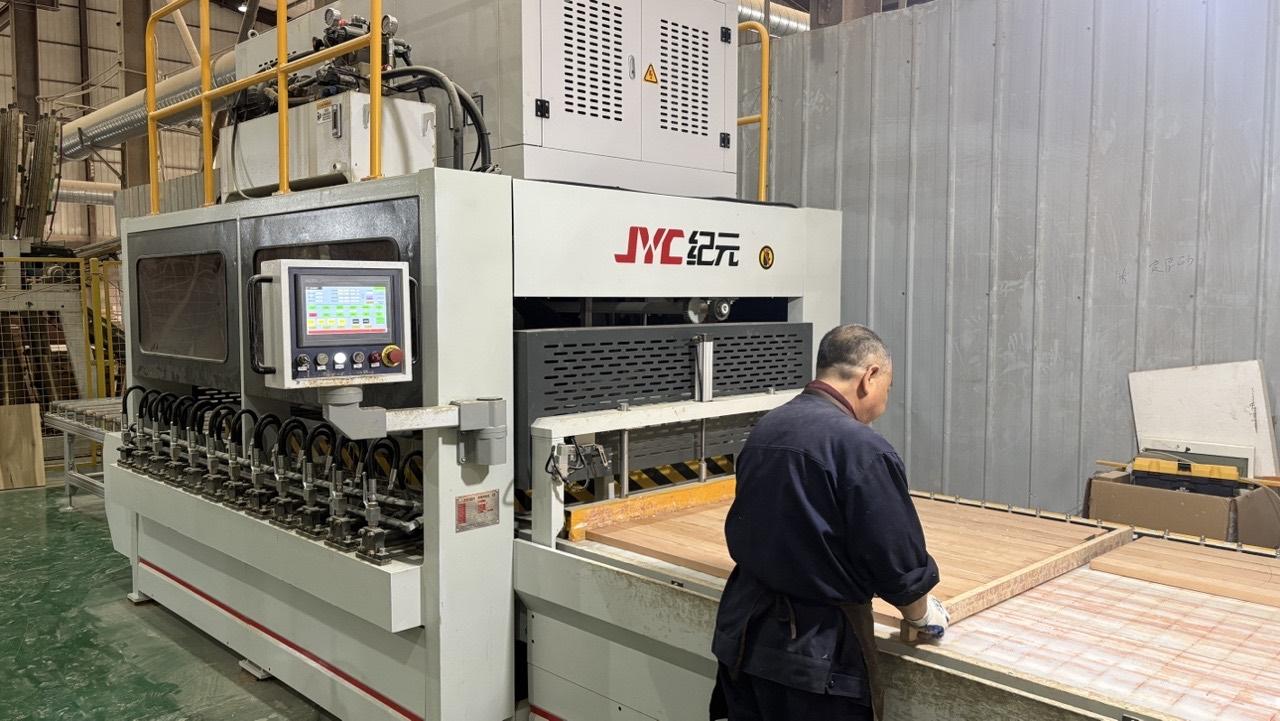
Joining premium wood segments using advanced adhesive formulations and finger-jointing systems to create high-tensile structural boards.
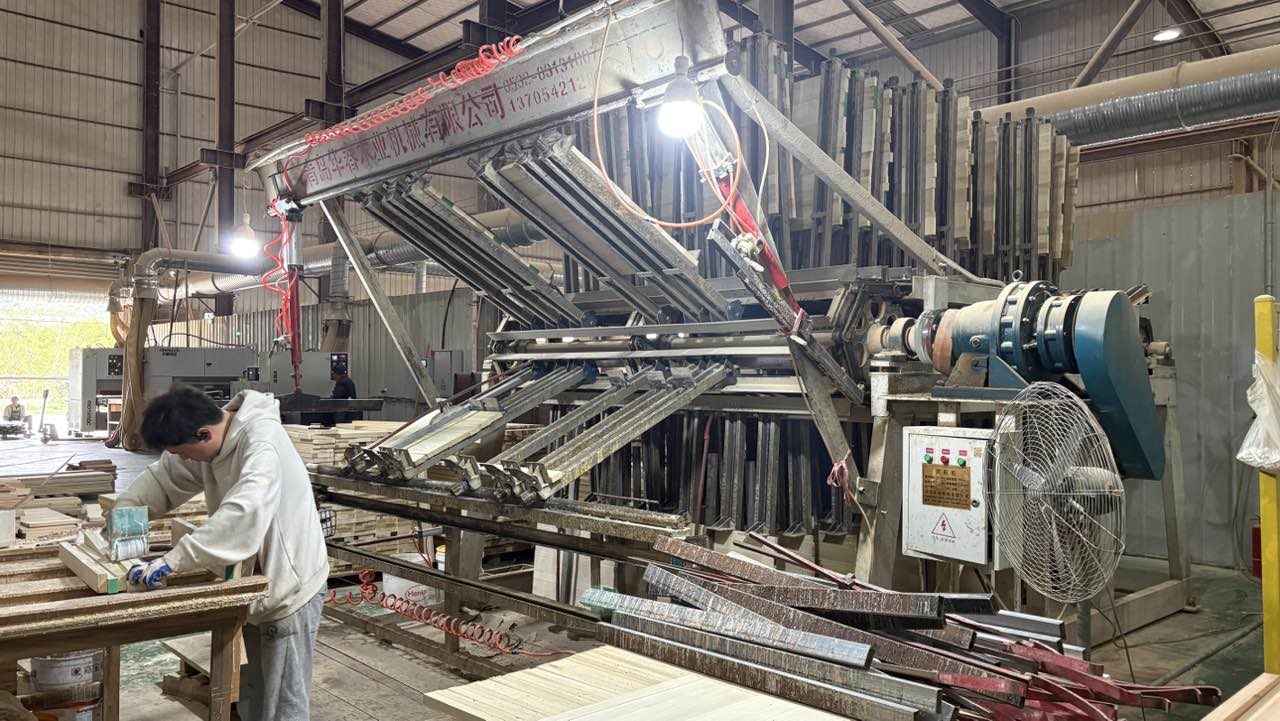
Aligning and securing critical wood components. This step eliminates internal tension within the wood to prevent warping over time.
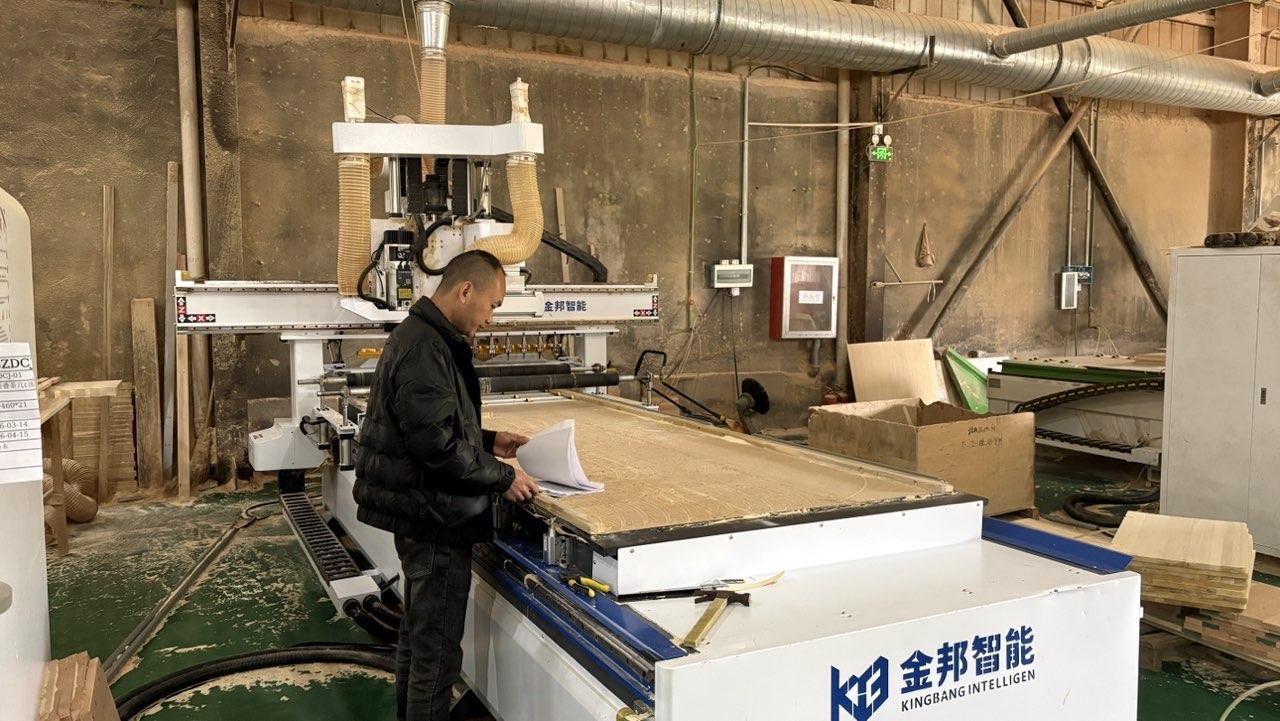
Applying detailed architectural carvings and custom geometric recesses using high-precision CNC routers and expert handcraftsmanship.
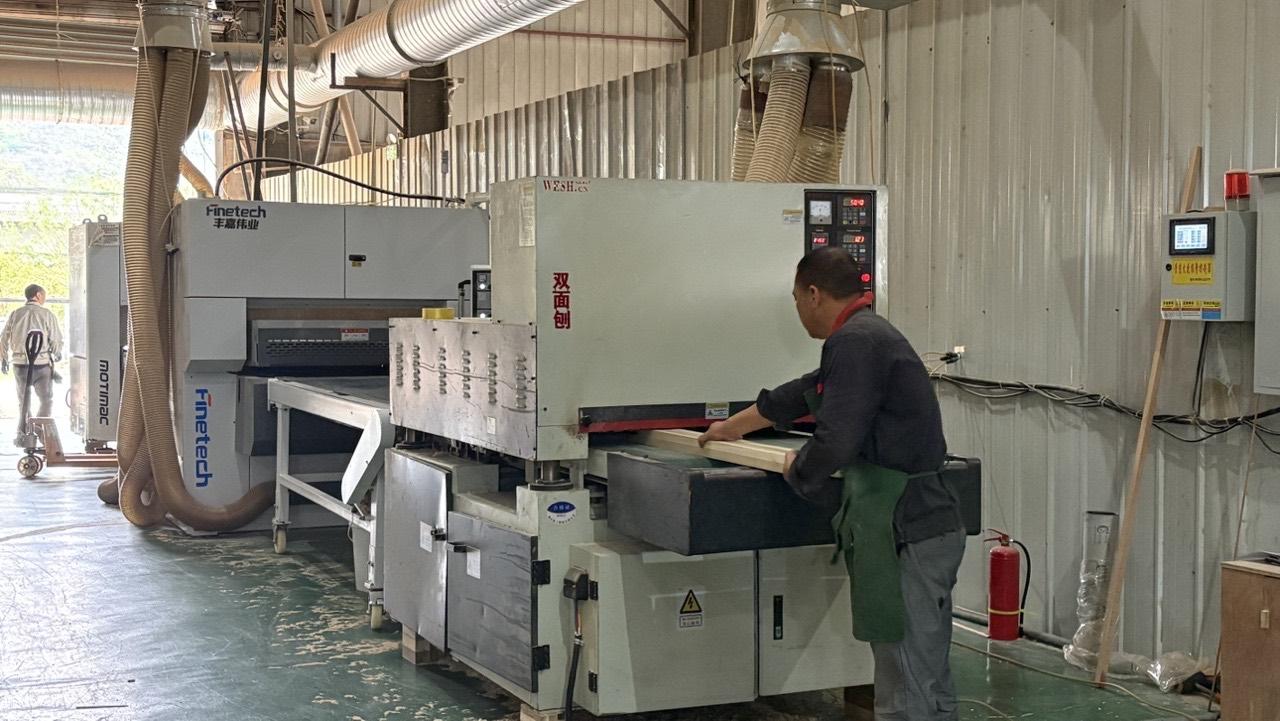
Leveling timber thicknesses to sub-millimeter tolerances. This ensures perfectly uniform surfaces across all shelving components.
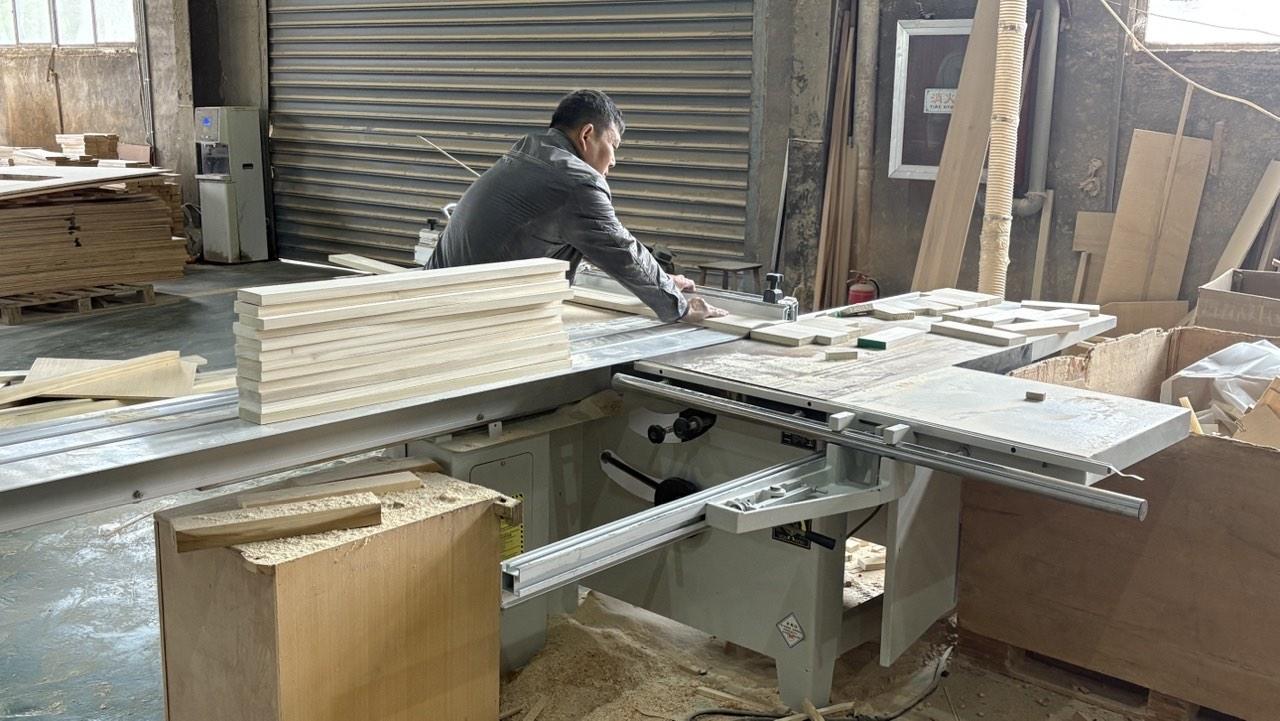
High-speed CNC sizing saws cut timber and composite boards down to size with zero edge-chipping, ensuring square joints.
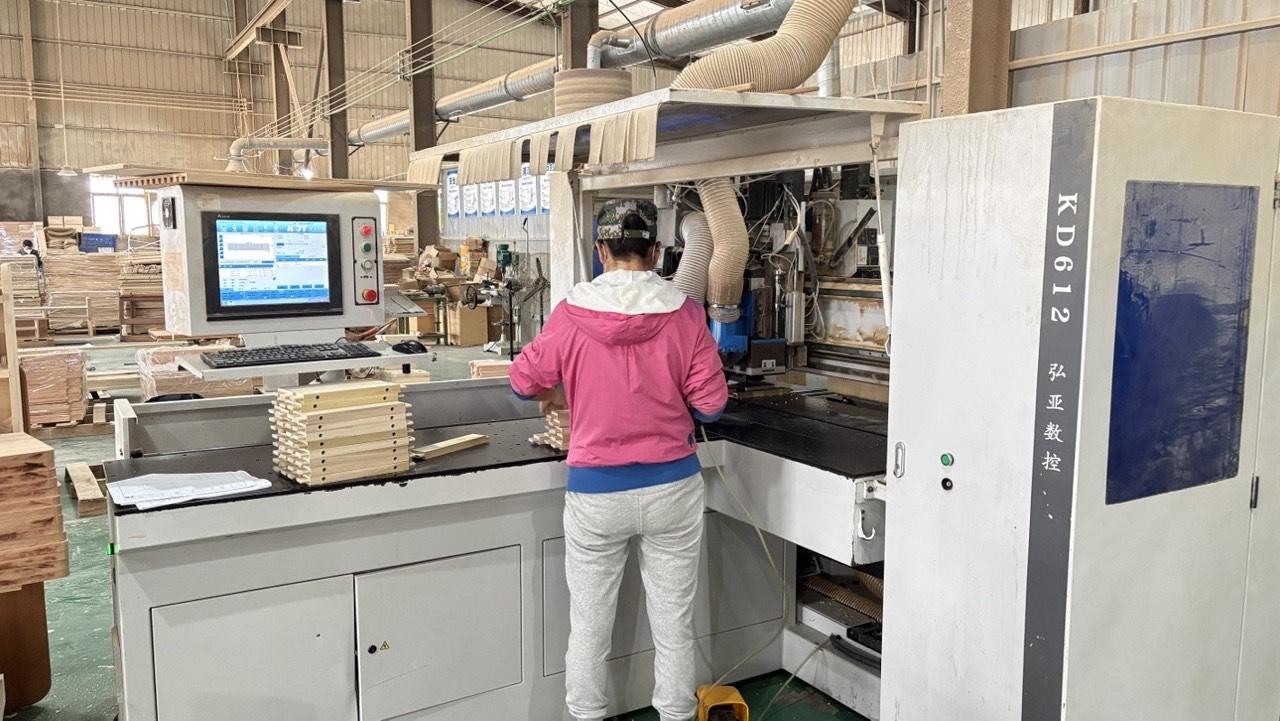
Computerized drilling systems create dowel and hardware paths. This makes assembly quick, easy, and precise.
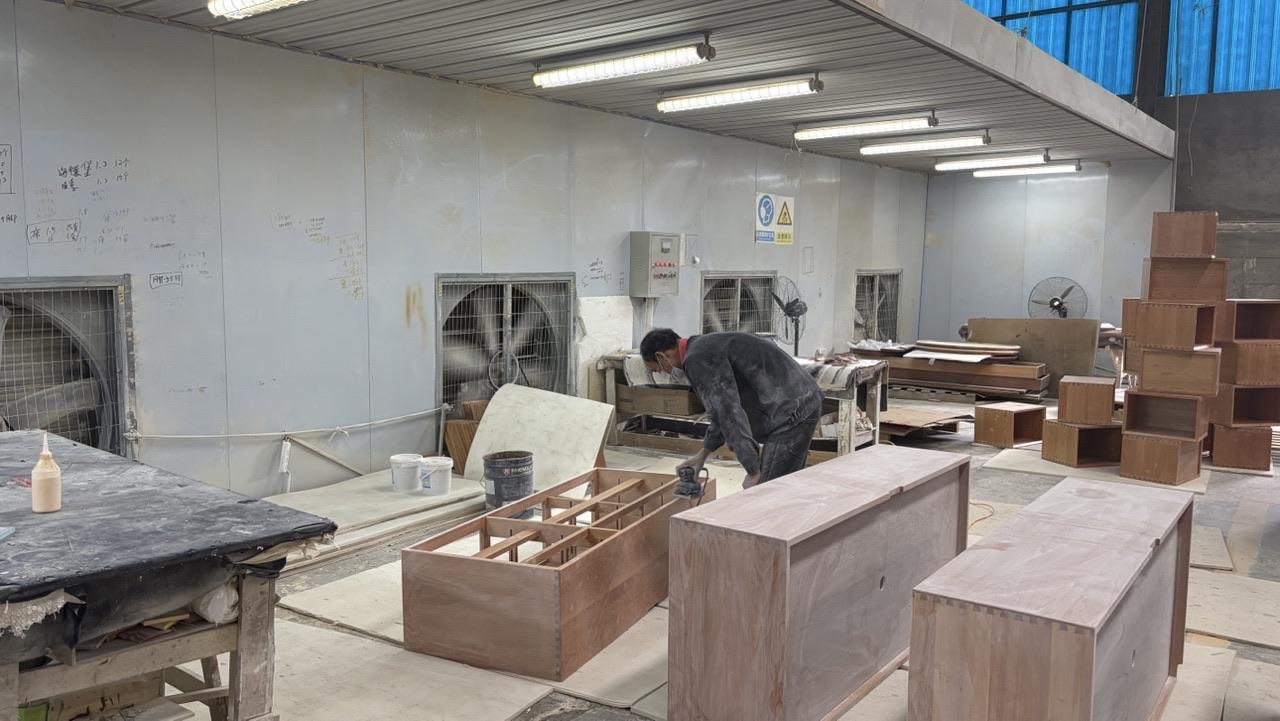
Multi-phase sanding cleans and preps raw wood surfaces, opening grain fibers to bond perfectly with finishes.
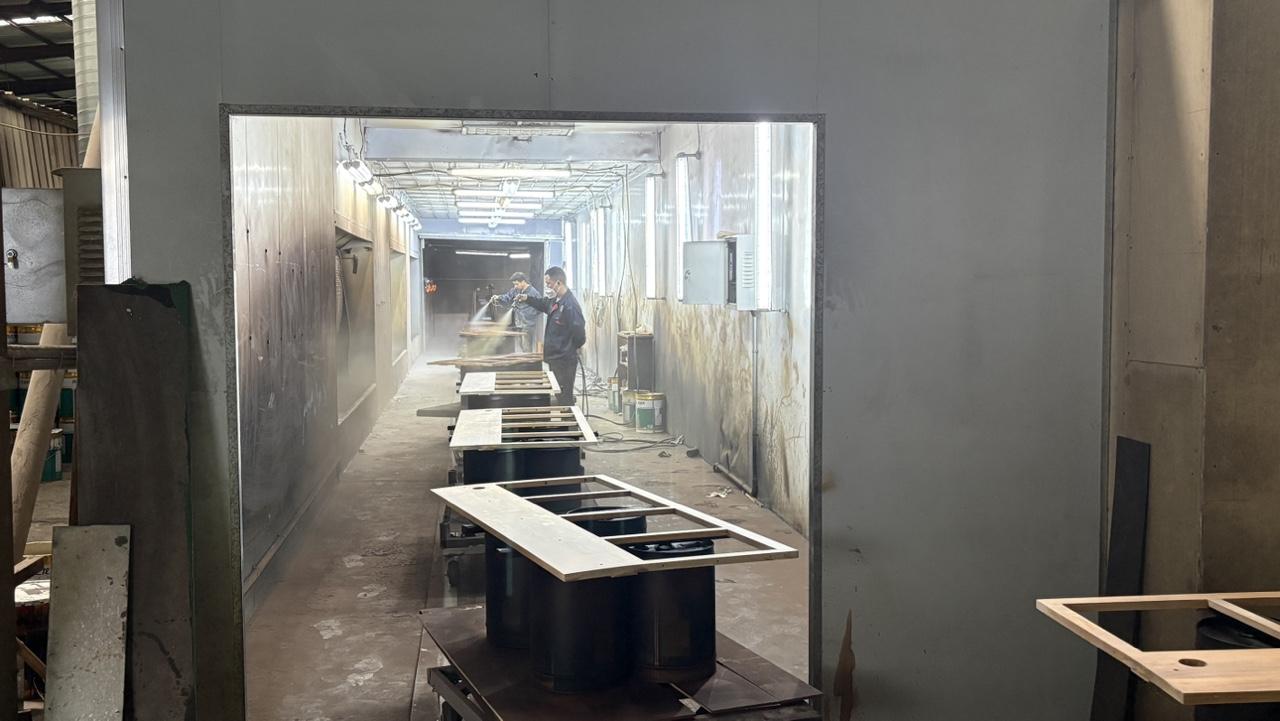
Applying low-VOC, ultra-durable sealants and lacquers in a climate-controlled spray booth to protect against moisture and scratches.
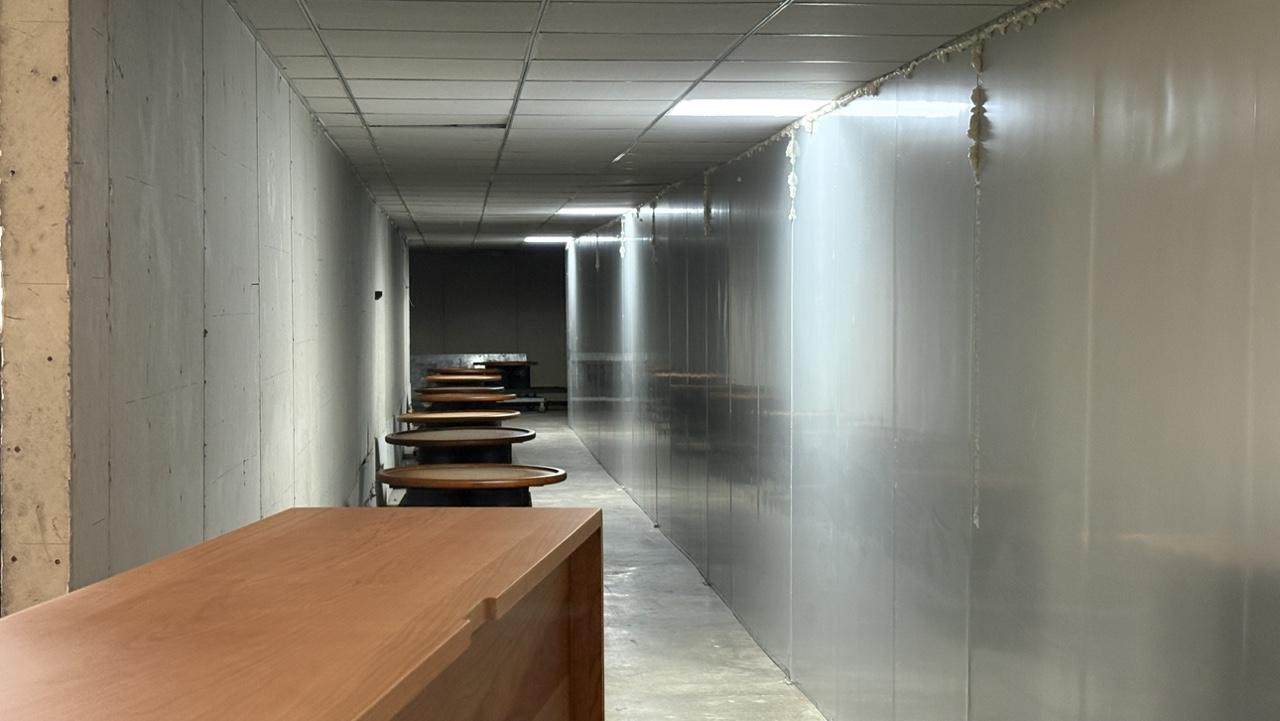
Baking coated panels in specialized drying ovens to cure the finish, ensuring long-term durability and resistance to yellowing.
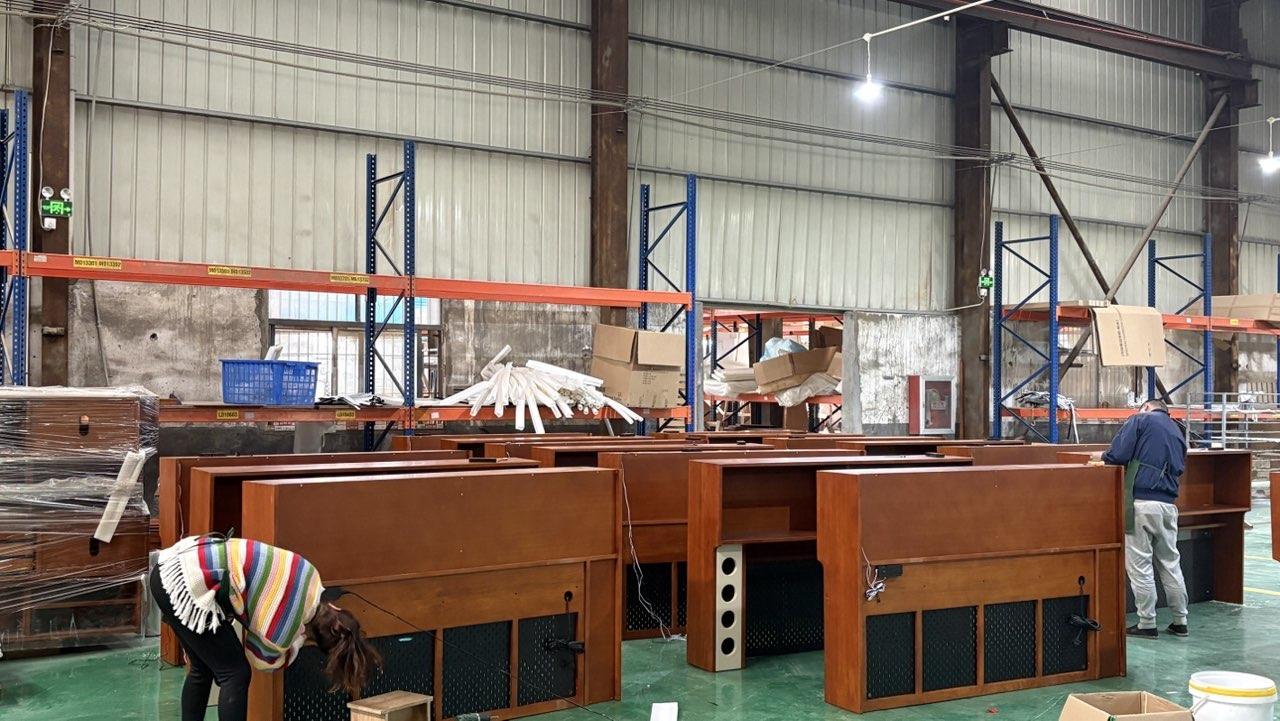
Pre-assembling parts to check fitment, alignments, and the integrity of built-in hardware connections.
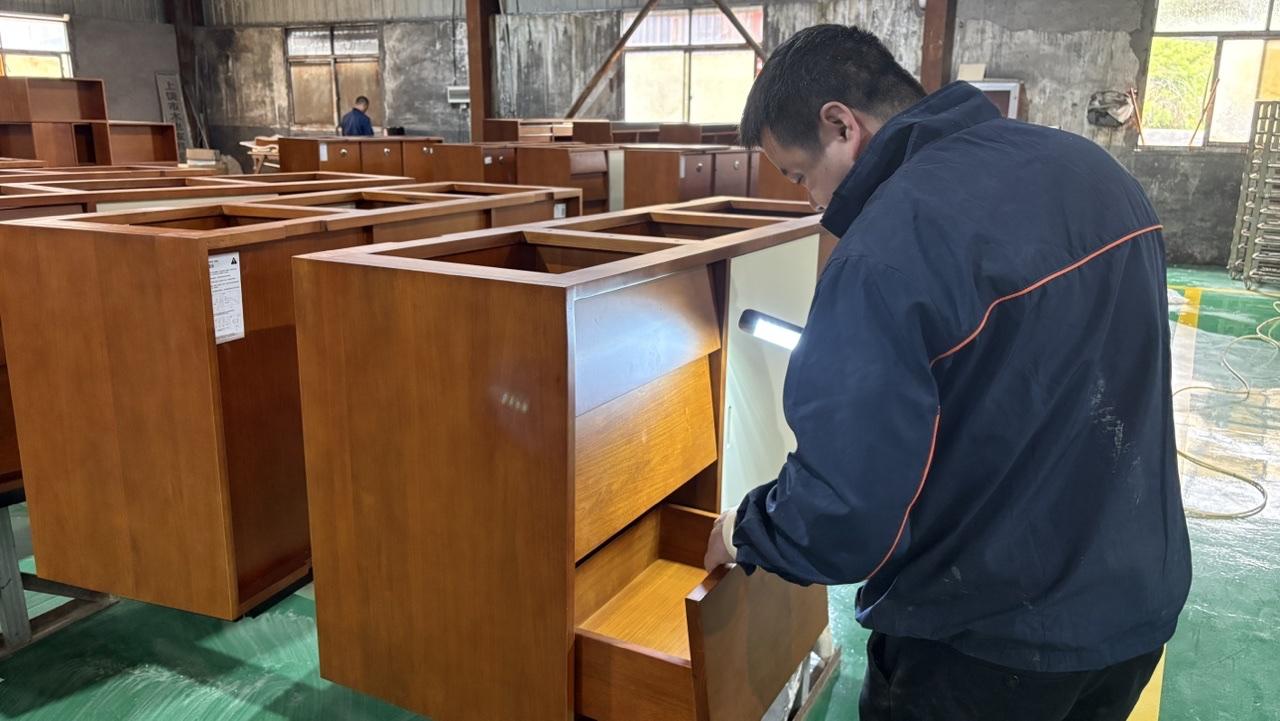
A final review check for surface finish quality, dimension accuracy, structural strength, and export-safe packaging.
A comparative structural guide to help procurement agents and engineers choose the best raw material mix for their projects.
The choice of material affects more than just style; it dictates how the shelving system will perform over its lifetime. Industrial installations require cold-rolled steel structures to handle heavy weights, while corporate workspaces often look for wood-composite blends to combine strength with a warm aesthetic. High-durability materials like closed-cell PVC sheets are ideal for damp environments, preventing moisture absorption and structural sag.
| Material Type | Recommended Application | Average Load Capacity (UDL per shelf) | Corrosion & Moisture Resistance | Primary Industry Compliance Standards |
|---|---|---|---|---|
| Cold-Rolled Steel (SPCC) | Warehouse, Library Archives, Heavy Industrial | 150 kg – 600 kg | High (with powder coating) | BS EN 15635, ANSI/BIFMA X5.9 |
| Solid Wood / Finger-Joint Timber | Executive Offices, Higher Ed Libraries | 80 kg – 150 kg | Medium (requires climate control) | ASTM D4761, EN 300 |
| High-Density PVC / Board | Retail Display, Wet Lab, Bathrooms | 15 kg – 40 kg | 100% Waterproof | UL94 V-0 (Fire Rated options) |
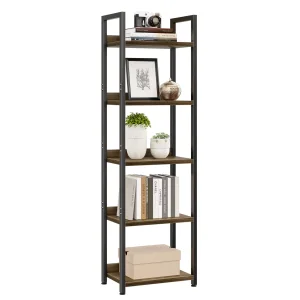
| Composite Metal-Wood hybrid | Commercial Spaces, Educational Furniture | 60 kg – 120 kg | High | BIFMA M7.1 (Low Emissions) |
How automation, smart space management, and new eco-friendly materials are shaping the future of global storage logistics.
The rise of smart cities and digital campuses has changed what organizations expect from shelving. Today's high-capacity library systems often feature built-in RFID tracking, LED lighting guides, and weight sensors. These technologies help find books in real time, keep accurate inventory, and spot load imbalances before they become safety hazards. Motorized compact shelves now feature safety sensors that pause movement instantly if they detect an obstacle, protecting both personnel and stored assets.
Sustainability is no longer optional for major projects. Modern green building standards like LEED and BREEAM require manufacturers to use eco-friendly materials. Foshan Lyte Home leads the way by sourcing FSC-certified timber, using low-VOC finishes, and running energy-efficient manufacturing lines. By designing products that are easy to disassemble and recycle, we help support a circular economy and reduce carbon footprints worldwide.
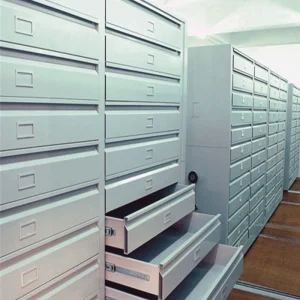
With real estate costs rising, space optimization is key. Compact, mobile shelving systems can double storage capacity in the same footprint by removing fixed aisles. These systems are essential for modern offices, medical record rooms, and research archives looking to maximize space efficiency.
Custom setups designed to meet the exact load, space, and aesthetic needs of different industries.
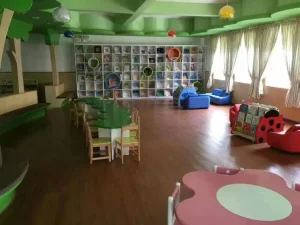
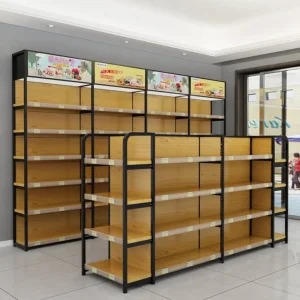
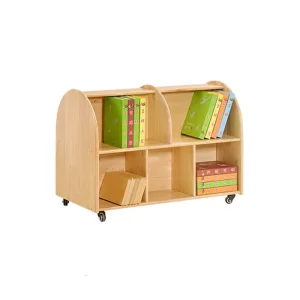
Our global experience shows that different industries need custom solutions. A kindergarten classroom needs safe, low-VOC materials with soft, rounded edges to protect children. A retail pharmacy, on the other hand, needs steel-framed, easy-to-clean gondola units that make it simple to organize stock and view products clearly. In warehouse and logistics centers, durability is the top priority; systems must handle heavy weights, resist impacts, and adapt easily to changing inventory configurations.
For research labs and medical offices, cleanliness and chemical resistance are critical. Our specialized PVC-based shelving and powder-coated steel units stand up to harsh disinfectants without rusting or degrading. No matter what your industry demands, we design our shelving systems to optimize your workflow and keep your team safe.
Answers to common engineering, logistics, and customization questions from procurement teams, architects, and designers.
Explore our full range of heavy-duty, smart, and custom furniture options for markets worldwide.
 Lyte Home