Water rings on wooden dining tables can be a frustrating sight. According to industry reports, nearly 60% of homeowners in the U.S. experience this issue. The unsightly marks often result from cups or glasses being placed directly on the surface. Experts recommend knowing how to remove water rings from a wooden dining table efficiently.
Renowned furniture restoration expert, Thomas Weller, suggests, "Addressing water rings quickly can prevent permanent damage to the wood." His insight reflects the importance of immediate action when dealing with such marks. Understanding the best methods can save your table from further harm.
Various approaches exist to treat these unwanted rings. Some methods involve common household items, while others might require specialized products. Despite this, not all techniques suit every table type. It’s essential to test any solution on a hidden area first, as results can vary significantly. Engaging practically with these methods often leads to better outcomes, allowing homeowners to restore their tables while gaining valuable experience.
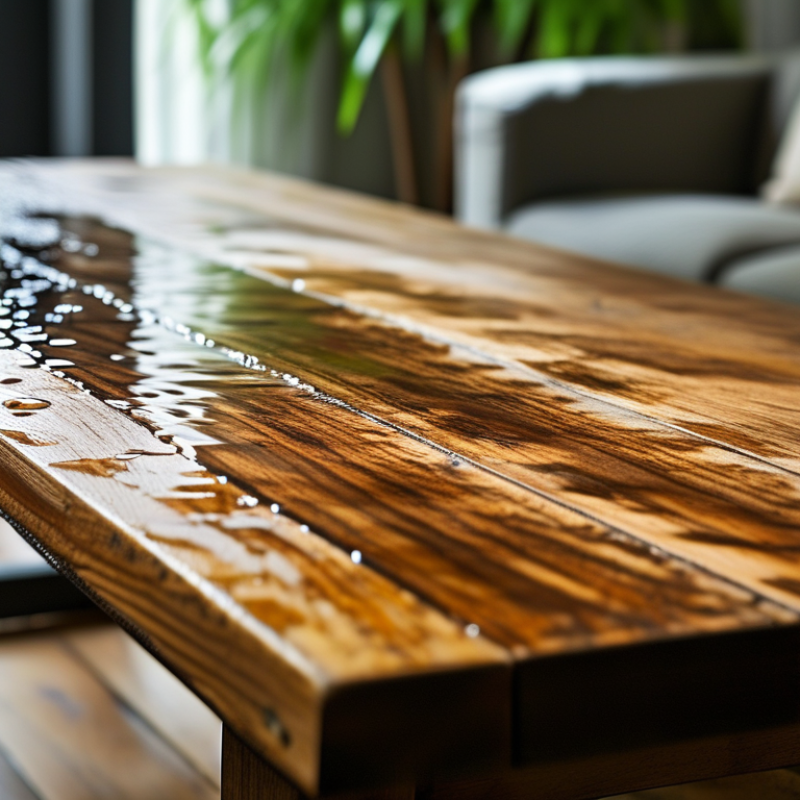
Water rings on wooden dining tables are a common frustration. These rings develop when moisture from drinks seeps into the wood finish. A study by the American Home Furnishings Alliance reveals that nearly 25% of homeowners experience this issue. Understanding the causes is crucial for effective removal.
Humidity and condensation play significant roles in forming these rings. When hot cups or glasses sit on wood surfaces, heat causes moisture to evaporate. This process can create a sticky layer that leaves behind unsightly marks. Research indicates that untreated wood is particularly vulnerable to damage. In several cases, water rings can also indicate that the table's finish is worn or damaged, exposing the wood beneath.
Your wooden dining table deserves better care. Treating water rings often requires more than a simple wipe. Depending on the severity, it may need polishing or refinishing. Many believe that vinegar or olive oil can work wonders. However, results may vary. Some solutions can leave behind streaks or add more shine but fail to remove the rings effectively. Recognizing the right approach is essential.
Water rings on wooden dining tables can be frustrating. They often occur when a glass or cup leaves moisture behind. Fortunately, several methods can effectively remove these unsightly marks.
One common technique involves using a simple mixture of baking soda and water. Create a paste and gently rub it on the water ring with a soft cloth. The mild abrasiveness of baking soda can lift the stain without damaging the wood. According to a report by the American Wood Council, this method is safe for most finishes and helps maintain the wood's integrity.
Another effective approach is utilizing olive oil and vinegar. Mix equal parts of both ingredients and apply them to the affected area. The oil nourishes the wood, while vinegar helps break down the residue. This method also adds a subtle shine to the surface. Remember to rub in the direction of the wood grain for the best results.
When tackling water rings, it's important to avoid excessive pressure. Too much friction can cause more damage. Regular maintenance is key. Keeping wood surfaces well-oiled and using coasters can prevent future rings. Consider using a clean cloth to wipe down your table after each use. These small habits make a significant difference in preserving your wooden furniture.
| Method | Ingredients/Materials | Steps | Effectiveness |
|---|---|---|---|
| Iron and Cloth | Iron, clean cloth | 1. Heat the iron on low setting. 2. Place the cloth over the water ring. 3. Gently press the iron on the cloth for a few seconds. |
High |
| Baking Soda Paste | Baking soda, water | 1. Mix baking soda with water to form a paste. 2. Apply gently to the water ring. 3. Wipe with a clean cloth and buff. |
Moderate |
| Mayonnaise | Mayonnaise | 1. Apply a small amount of mayonnaise to the water ring. 2. Let it sit for a few hours. 3. Wipe it off with a clean cloth. |
High |
| Vinegar and Olive Oil | White vinegar, olive oil | 1. Mix equal parts vinegar and olive oil. 2. Apply with a soft cloth in circular motions. |
Effective |
| Petroleum Jelly | Petroleum jelly | 1. Apply a small amount onto the water ring. 2. Leave it for a few hours or overnight. 3. Wipe clean with a soft cloth. |
Moderate |
Water rings on wooden dining tables can be frustrating. Fortunately, you can utilize common household items to remove them effectively. One popular method involves using a mixture of olive oil and vinegar. Mix equal parts of both in a bowl. Apply this solution with a soft cloth to the affected area. Gently rub in circular motions until you notice improvement. The oil helps restore luster, while vinegar works to break down the ring.
Another effective technique is to use a hairdryer. Set it to a low heat setting. Hold it a few inches above the water ring. Keep the dryer moving to avoid overheating any spot. This helps evaporate moisture trapped in the wood. It's essential to monitor the area closely. Overheating can cause discoloration or warping.
Consider using baking soda as well. Make a paste by mixing baking soda with water. Apply it lightly using a cloth and rub gently. Baking soda acts as a mild abrasive, which can help lift stains. Always test a small, inconspicuous area first to check for any adverse reactions. These strategies offer practical solutions to a common problem.
Preventing water damage on wooden dining tables requires consistent care. Research indicates that over 80% of homeowners experience water stains due to spills or condensation. To minimize these occurrences, always use coasters. They create a protective barrier between drinks and the wooden surface. Simple habits can shield your table from damage caused by cups or glasses.
Regularly applying a quality wood polish can enhance the table’s resilience against moisture. According to the National Wood Flooring Association, a well-maintained finish protects wood against scratches and water absorption. Aim to polish your table quarterly. This small step can significantly extend the life of your furniture.
One common mistake is neglecting to clean up spills immediately. Allowing moisture to sit on wood can lead to permanent stains. To combat this, keep a cloth or paper towel nearby during meals. Foster an environment of mindfulness with family and guests. Remembering these practices can save your table from unsightly water rings.
This chart illustrates the success rates of various methods for removing water rings from wooden dining tables. Each method displays a different effectiveness percentage, highlighting that while some methods are more successful than others, all might provide some level of assistance in tackling this common issue.
Maintaining and caring for your wooden furniture is crucial for its longevity. According to the American Wood Council, improperly maintained wood surfaces can deteriorate significantly, leading to costly repairs. Regular cleaning helps prevent the accumulation of dirt and grime. Use a damp cloth for light cleaning. Avoid excess water, as it can penetrate the wood and damage the finish.
After treating water rings, consider applying a protective finish. This can seal the wood and prevent future damage. Studies show that furniture treated with proper finishes lasts up to 50% longer than untreated pieces. Pay attention to temperature and humidity in your home. The ideal indoor conditions should consist of 35-45% humidity. Extreme fluctuations can cause wood to expand or contract, resulting in cracks or warping.
Even with diligent care, some imperfections may occur. It's essential to accept that wood does age and wear. Regularly inspecting your furniture allows you to address minor issues before they become significant problems. Small scratches can often be buffed out or filled, but some marks may remain. Embrace these imperfections as part of your furniture's history.
: Mix equal parts of olive oil and vinegar in a bowl. Apply it with a soft cloth.
Try a hairdryer on low heat. Keep it moving above the stain. Watch for overheating.
Yes, mix baking soda with water to form a paste. Rub it gently on the stain.
Regularly clean it with a damp cloth. Avoid using excess water to protect the finish.
Yes, applying a protective finish helps seal the wood and prevents future damage.
Aim for 35-45% humidity. Avoid extreme temperature fluctuations to prevent wood issues.
Yes, wood naturally ages and shows wear. Accepting imperfections is part of its charm.
Regularly inspect your furniture. Small scratches can be buffed out or filled with care.
Ignoring treatment may lead to deeper stains. This can cause more expensive repairs later.
Yes, always test in an inconspicuous area first. Some methods may cause adverse reactions.
Water rings on wooden dining tables can be a frustrating issue caused by moisture from glasses or spills. Understanding the nature of these rings and their causes is crucial for effective treatment. This article provides insight into common methods for removing water rings from wooden surfaces, emphasizing the use of household items that can safely and effectively eliminate these marks. Additionally, it offers valuable tips for preventing future water damage while maintaining and caring for your wooden furniture.
For those wondering how to remove water rings from a wooden dining table, the article outlines practical solutions alongside preventative measures to keep your table looking its best. By following these steps, you can restore the beauty of your wooden dining table and protect it from future damage.
Lyte Home